It starts subtle. Maybe you hold menus a little further away, or find yourself squinting at your phone. Then, suddenly, it hits: the realization that you need help seeing both near and far. For many, this marks the start of a journey to multifocal eyewear. But the idea of navigating different prescriptions can feel daunting, leading many to seek a seamless solution. This is where progressive reading glasses enter the picture, offering a smooth transition across visual fields without the tell-tale line of bifocals. Learning Tips for Choosing and Adjusting to Progressive Reading Glasses Comfortably can transform this often-challenging transition into a remarkably smooth experience.
Think of progressive lenses as the elegant, all-in-one solution for a modern world where our eyes constantly shift focus from a distant road sign to a car dashboard, then down to a text message. They're designed to keep pace with your dynamic vision needs.
At a Glance: Your Progressive Lens Journey
- Seamless Vision: Enjoy clear sight at all distances—distance, intermediate, and near—in one lens.
- Patience is Key: Expect an adjustment period; your brain needs time to adapt.
- Wear Them Consistently: The fastest way to adjust is to wear your new glasses from morning till night.
- Proper Fit Matters: Ensure your frames sit correctly on your face for optimal visual pathways.
- Head, Not Just Eyes: Learn to point your nose towards what you want to see, letting your eyes find the sweet spot.
- Minor Distortions are Normal: Peripheral blur is part of the learning curve and usually diminishes.
- When in Doubt, Ask: Don't hesitate to consult your eyecare professional if adjustment challenges persist.
What Are Progressive Lenses, Anyway? The Science of Seamless Sight
Before diving into choosing and adjusting, it's helpful to understand what progressive lenses actually are. Unlike traditional single-vision lenses or even bifocals (which have distinct, visible lines separating different powers), progressive lenses are marvels of optical engineering. They feature a gradual, seamless change in lens power from the top to the bottom.
Imagine a sophisticated gradient:
- The Upper Portion: This is your clear vision for distance—perfect for driving, watching TV, or admiring a landscape.
- The Middle Section: Often called the "intermediate corridor," this area is designed for arm's-length tasks like computer work, looking at a car dashboard, or scanning grocery shelves.
- The Lower Segment: This is your reading zone, optimized for up-close tasks such as reading a book, texting, or doing intricate crafts.
This elegant design provides continuous vision, making it possible to see clearly at multiple distances without swapping glasses or experiencing the jarring "image jump" associated with bifocals. However, this seamless transition also means the lower left and right periphery of the lens can cause initial blurriness or distortion. This "peripheral distortion" or "prism" effect is a normal byproduct of the lens design and is something your brain learns to ignore with time and consistent wear.
The "Why" Behind the Wow: Why Progressive Lenses Are a Game-Changer
For many, the biggest draw of progressive lenses is convenience. No more carrying multiple pairs of glasses—one for reading, one for driving, one for the computer. With progressives, everything you need is right there on your face.
Beyond convenience, they offer a more youthful aesthetic compared to bifocals, as there's no visible line to indicate you're wearing multifocal lenses. This can be a significant psychological benefit, making you feel more confident in your eyewear. Furthermore, the smooth transition between focal points is simply more natural, mimicking how our eyes would adjust focus if they didn't need corrective lenses. It’s about restoring a more natural visual experience.
Choosing Your Progressive Lenses: More Than Just a Prescription
Selecting progressive lenses involves more than just handing over your prescription. It's a collaborative process between you and your eyecare professional to ensure the best possible fit for your vision needs and lifestyle.
Understanding Your Eye Exam: The Foundation of Success
The journey to comfortable progressive lenses begins with a thorough eye exam. It's not just about getting your prescription right for distance and near vision. Your optometrist or ophthalmologist will also measure your pupillary distance (PD), segment height (the vertical measurement from the bottom of your lens to your pupil), and often other parameters like pantoscopic tilt (the angle of the lens relative to your face) and wrap angle. These precise measurements are crucial because they dictate where the various zones of your progressive lenses will be placed. Even a millimeter off can significantly impact your comfort and ability to adapt.
Don't be shy about discussing your daily activities during this consultation. Do you spend hours on a computer? Are you an avid reader? Do you drive frequently? Your lifestyle helps your eyecare provider recommend the best progressive lens design, as some are optimized for office work, while others prioritize wider fields of distance vision.
Frame Selection Matters: Your Face, Your Vision
The frame you choose isn't just a style statement; it plays a critical role in the success of your progressive lenses. Choosing the right frames is paramount for proper progressive lens function.
Here’s what to look for:
- Vertical Depth: Progressive lenses require enough vertical space to accommodate all three viewing zones (distance, intermediate, and near). Frames that are too shallow vertically won't allow for a full, comfortable viewing corridor, potentially cutting off your reading or intermediate zones. Aim for frames with a minimum vertical depth of around 30-32mm.
- Stability: The frames must fit securely on your face without slipping down your nose. Constant slipping can shift the optical centers, making it difficult to find the sweet spot for each viewing zone and causing unnecessary frustration.
- Comfort: While not directly tied to lens function, uncomfortable frames can lead you to avoid wearing your glasses, hindering the adjustment process.
Your optician will help you try on various frames and mark the correct fitting height for your pupils. This measurement ensures the progressive corridor aligns perfectly with your gaze.
Lens Features and Coatings: Beyond Basic Vision
Modern progressive lenses come with a range of advanced features and coatings that can significantly enhance your experience:
- Anti-Reflective (AR) Coating: This coating reduces glare from lights, screens, and oncoming headlights, improving clarity and reducing eye strain. It also makes your lenses look almost invisible, drawing more attention to your eyes.
- Scratch-Resistant Coating: An essential for any glasses, this helps protect your investment from everyday wear and tear.
- UV Protection: Shielding your eyes from harmful UV rays is crucial for long-term eye health.
- Blue Light Filtering: Especially beneficial if you spend a lot of time on digital devices, this coating helps reduce exposure to blue light, which can contribute to digital eye strain and disrupt sleep patterns.
- Lens Materials: Depending on your prescription, your optician might recommend thinner, lighter materials like high-index plastic, which can make a significant difference in comfort and aesthetics, especially for stronger prescriptions.
Mastering the Transition: Adjusting to Progressives Like a Pro
The most common reason people struggle with progressive lenses isn't a faulty prescription, but an inadequate adjustment period. Your brain needs to learn how to interpret the new visual information. It's like learning to ride a bike – initially awkward, but eventually second nature.
The Golden Rules of Adaptation
These fundamental practices are your roadmap to comfortable progressive lens wear:
- Consistency is King: This is perhaps the most critical tip. Wear your new progressive lenses as your primary eyewear from the moment you wake up until you go to sleep. Resist the urge to switch back to old single-vision reading glasses or distance glasses, even if you feel a little disoriented initially. Your eyes and brain need continuous exposure to form new habits. Think of it as immersion therapy for your vision.
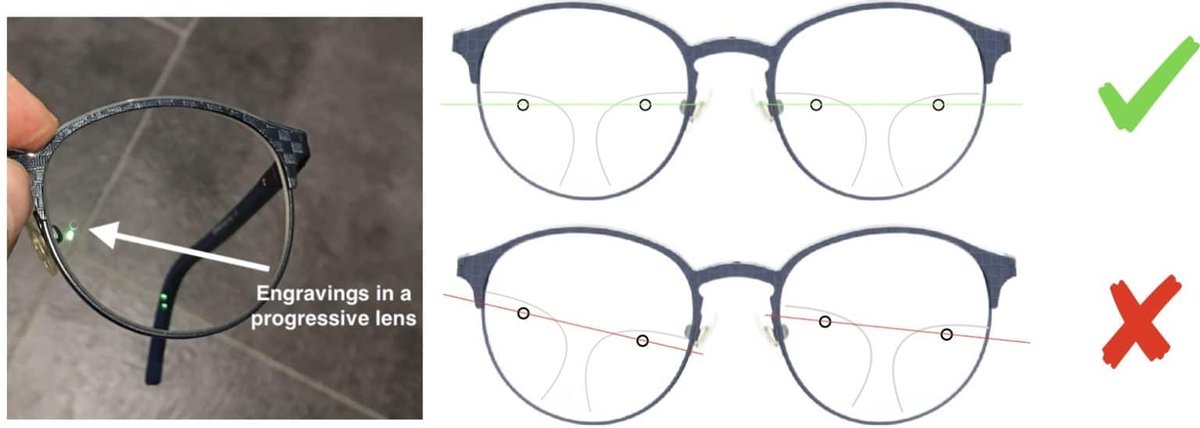
- Ensure a Proper Fit: Your frames need to sit just right. They should be high on the bridge of your nose, secure, and level. If your glasses slide down, the optical centers will be too low, making it hard to find your reading and intermediate zones. If they pinch or are crooked, it's uncomfortable and visually disruptive. Don't hesitate to visit your eyewear provider for adjustments. They can tweak the fit of the frames to perfection, which can dramatically improve your adjustment experience.
- Learn to Move Your Head, Not Just Your Eyes: This is a fundamental shift from how you might have used single-vision lenses.
- For Distance: Point your nose directly at what you want to focus on in the distance. Your eyes will naturally look through the upper portion of the lens.
- For Intermediate: For a computer screen or store shelf, again, point your nose directly at the object and slightly drop your chin until you find the sweet spot in the middle of the lens.
- For Near (Reading): When reading a book or phone, keep your head relatively still, looking straight ahead, and simply drop your eyes down to look through the lower segment of the lens.
- Walking & Stairs: When walking, especially up or down stairs, remember to tilt your head towards your chest and look through the top of the lens to ensure clear footing. Scanning the floor through the reading portion can create a distorted view and a sensation of "swimming" or swaying, which is unsettling.
This technique helps minimize the peripheral distortions mentioned earlier and trains your brain to quickly find the correct viewing zone.
- Embrace a Positive Mindset: It sounds simple, but your attitude truly helps. Approach your new progressive lenses with an open mind and patience. Trust that your eyes and brain will adapt. Frustration is natural, but letting it deter you will only prolong the adjustment period. Many people find them revolutionary once they get past the initial hurdle.
Practical Tips for Daily Life with Progressives
Beyond the golden rules, here are some actionable steps for specific situations:
- Driving: Start by driving in familiar, low-traffic areas. Practice looking far down the road through the distance zone and then quickly glancing at your dashboard (intermediate zone) and mirrors.
- Walking Stairs: As mentioned, tilt your head down slightly and look through the top, distance portion of your lenses to avoid distortions when navigating steps. Practice this slowly at home first.
- Reading: Hold your reading material at a comfortable distance and angle, then adjust your head and eyes to find the clearest focus in the lower part of the lens. Experiment with how you hold your book or phone.
- Digital Screens: Position your computer monitor at a comfortable arm's length, slightly below eye level. This allows you to view the screen through the intermediate section of your lenses without craning your neck or lifting your chin too high. If you primarily work on a large monitor, you might find a dedicated pair of computer progressives (optimized for intermediate and near vision) beneficial, but for most, proper positioning is sufficient.
What to Expect: The Adjustment Timeline
Most people adjust to progressive lenses within a couple of days to two weeks. During this initial period, it's common to experience:
- Mild dizziness or a sensation of "swimming" or swaying.
- Peripheral blur or distortion when looking to the sides.
- Difficulty finding the sweet spot for various distances.
- Temporary eye strain or headaches.
These symptoms are normal and typically diminish as your brain learns to filter out the distortions and your eyes become accustomed to moving correctly. If difficulties continue persistently after two to three weeks, or if the symptoms are severe, it’s time to consult your eyecare professional.
Troubleshooting Common Progressive Lens Challenges
Even with the best preparation, you might encounter some bumps in the road. Here's how to address the most common issues.
Dealing with Peripheral Distortion
This is the most frequent complaint. The sides of the progressive lens, outside the main corridor, are designed with varying power, which creates a "soft blur" or "swim" effect.
- Solution: Reinforce the "head turning" technique. Instead of just moving your eyes from side to side to view objects, turn your head to point your nose directly at what you want to see. Your brain will eventually learn to ignore these peripheral distortions. Consistent use is the best remedy.
"Why is My Vision Blurry?"
If you're still experiencing persistent blurriness despite trying to adjust, consider these possibilities:
- Wrong Zone: Are you sure you're looking through the correct part of the lens for the task? Many new wearers instinctively try to use the distance portion for intermediate tasks or the intermediate for reading. Practice consciously directing your gaze.
- Improper Fit: As discussed, if your glasses are sliding down or are crooked, the optical centers are misaligned, leading to blur. Visit your optician for an adjustment.
- Incorrect Prescription/Measurements: While rare, sometimes the initial prescription or the measurements taken for the lens placement might be slightly off. If blurriness persists after consistent wear and fit checks, your eyecare provider can re-evaluate.
Navigating Digital Screens with Ease
Many find computer use particularly challenging with progressives.
- Solution: Position your monitor correctly. It should be arm's length away and your eye level should be at the top of the screen. This allows you to comfortably use the intermediate zone of your lenses without tilting your head back excessively (which uses the distance zone) or craning your neck forward (which uses the reading zone). If you're still struggling after optimizing your setup, discuss a pair of "computer glasses" with your optician. These are essentially progressive lenses optimized for intermediate and near vision, offering a wider field for computer use.
Beyond the Initial Weeks: Living with Progressives
Once you've adjusted, progressive lenses become an indispensable part of your life. But the journey doesn't end there.
Maintaining Your Investment
Just like any precision instrument, progressive lenses benefit from regular care. Maintaining your new lenses properly ensures their longevity and continued clarity.
- Cleaning: Use a microfiber cloth and a dedicated lens cleaning spray. Avoid paper towels, shirt sleeves, or harsh chemicals, which can scratch the coatings.
- Storage: Always store your glasses in a hard case when not wearing them to protect them from damage.
- Handling: Always pick up and put down your glasses by the frames, not the lenses, to avoid smudges and accidental damage.
Debunking Common Myths
Misinformation often creates unnecessary anxiety about progressive lenses. Let's clear up some common myths about progressive lenses:
- Myth 1: "Progressives always cause dizziness." While initial disorientation is common, persistent, severe dizziness is not. Most people adapt quickly.
- Myth 2: "They're only for older people." While presbyopia (age-related farsightedness) typically begins in your 40s, anyone who needs different prescriptions for distance and near can benefit.
- Myth 3: "You can never get used to them." This is simply untrue. The vast majority of people successfully adjust. Those who don't often have an improper fit or haven't given themselves enough consistent adjustment time.
Knowing When to Upgrade
Your vision naturally changes over time, and so too will your prescription. Typically, a comprehensive eye exam is recommended every one to two years. Your eyecare professional will advise when it might be time for an upgrade to new progressive lenses. Signs that you might need a new pair include:
- Blurry vision at any distance, despite proper use.
- Eye strain or headaches returning.
- Needing to hold reading material further or closer than before.
- Difficulty adapting to changes in lighting or glare.
Newer lens technologies are constantly emerging, offering wider fields of vision, less peripheral distortion, and better overall clarity. Upgrading can often provide a noticeable improvement in your visual comfort and performance.
Are Progressive Lenses Truly for You? The Big Picture
The decision to choose progressive lenses is a personal one, but for many, the benefits far outweigh the initial adjustment period. They offer unparalleled convenience, a natural visual experience, and the aesthetic advantage of a single, line-free lens.
The experience of vision correction is truly personal, and it's natural to wonder, Are progressive glasses worth it? For most individuals who embrace the adjustment process, the answer is a resounding yes. They represent a significant leap forward in optical technology, providing clear vision across all aspects of your life.
Your Clear Vision Journey Starts Now
Choosing and adjusting to progressive reading glasses is an investment in your comfort, convenience, and overall visual well-being. It requires patience, open communication with your eyecare professional, and a commitment to wearing them consistently.
By understanding how these sophisticated lenses work, selecting the right frames and features, and diligently practicing the recommended adjustment techniques, you'll soon find yourself enjoying a world of seamless, clear vision. Don't let the initial learning curve deter you; the freedom and clarity that progressive lenses offer are well worth the effort. Your journey to effortless sight begins now.