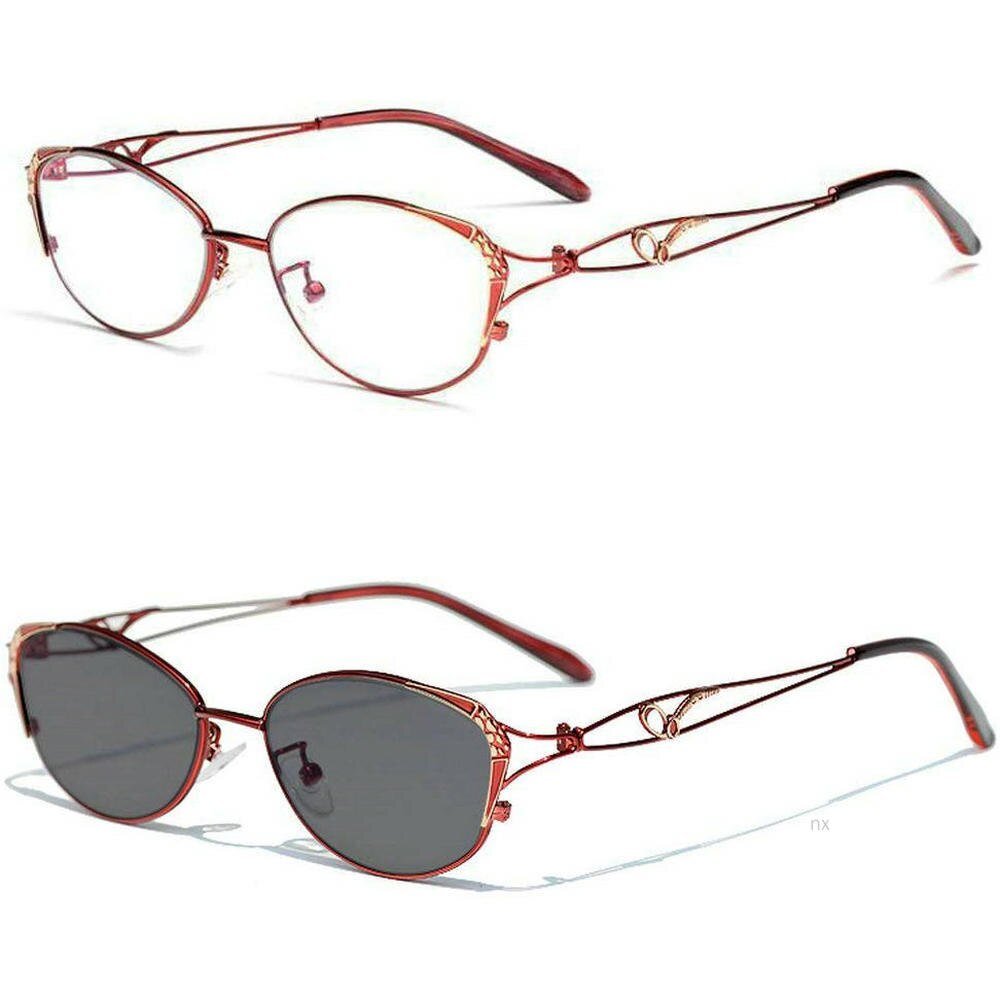
Navigating the world of vision correction can feel like deciphering a secret code, especially when you start experiencing presbyopia—that frustrating age-related blur that makes reading menus and phone screens a challenge. When considering the ideal solution, the Cost of Progressive Reading Glasses: Is the Investment Justified? quickly becomes a central question for many. These lenses promise a seamless visual experience, but their price tag often gives pause. So, let’s unpack whether these advanced spectacles truly deliver value worthy of their higher cost.
At a Glance: Progressive Lenses in a Nutshell
- What they are: Multifocal lenses that correct vision for all distances (distance, intermediate, near) in one seamless lens, without visible lines.
- Why they're used: Primarily for presbyopia, a common age-related condition affecting close-up vision, usually starting around age 40.
- Cost range: From about $175 for basic lenses to over $1,000 for premium, excluding frames. Complete eyewear can range from $300 to $1,000+.
- Key benefits: Convenience (one pair), aesthetic appeal (no lines), and natural vision flow.
- Adaptation: Most people adjust within 1-2 weeks of consistent wear.
- Alternatives: Cheaper reading glasses (single focus) or more expensive, permanent Custom Lens Replacement (CLR) surgery.
- Value justification: Often justified by convenience, aesthetics, and long-term savings over buying multiple pairs of glasses.
Understanding the Magic: What Are Progressive Lenses, Anyway?
Before we dive into the financials, let’s quickly clarify what progressive lenses actually are. Unlike traditional bifocals, which have a distinct line separating distance and near vision, progressive lenses are multifocal powerhouses. They offer a smooth, gradual transition between vision corrections for distance (driving, watching TV), intermediate (computer screens, dashboard), and near (reading, phone). This sophisticated design is specifically engineered to counteract presbyopia, the natural stiffening of your eye’s lens that makes focusing on close objects increasingly difficult as you age, typically starting around your early forties.
Thanks to modern digital surfacing technology, today's progressive lenses offer incredibly precise optical zones and up to 40% wider viewing areas than older designs. This means a more natural, comfortable visual experience without the jarring "image jump" common with bifocals, giving you clear vision no matter where you look.
The Price Tag: How Much Do Progressive Lenses Really Cost?
Let’s face it: one of the first questions you'll have is about the actual cost. Progressive lenses, by their very nature of advanced design and technology, are generally more expensive than their single-vision counterparts. However, the term "progressive lenses" encompasses a wide spectrum of options, and their prices reflect this diversity.
Here’s a breakdown of what you can expect:
- Basic Progressive Lenses: These entry-level options typically range from $175 to $250 per pair. They offer essential multifocal correction but might come with narrower reading zones and a bit more peripheral distortion compared to their higher-end relatives. They’re a good starting point if you’re on a tight budget or just beginning your progressive lens journey.
- Mid-Range Options: Stepping up, you’ll find lenses priced between $250 and $500 per pair. These often include valuable enhancements such as wider viewing zones, smoother transitions, and improved lens coatings, making adaptation easier and vision more comfortable.
- Premium Progressive Lenses: For the ultimate visual experience, premium options can exceed $500, sometimes reaching $1,000 or more per pair. These lenses boast high-quality materials, highly optimized vision zones that minimize distortion, and often incorporate cutting-edge digital surfacing technology for incredibly precise vision. They're designed for faster adaptation and superior clarity across all distances.
Beyond these general categories, you'll also encounter specialized progressive lenses tailored for specific needs: - Computer Progressive Lenses: Optimized for screen viewing, these focus on intermediate and near distances. They typically cost around $150-$250.
- Photochromic Progressive Lenses: These combine light-adaptive technology, darkening in sunlight, with multifocal correction. They add a layer of convenience, eliminating the need for separate prescription sunglasses.
- Blue Light Progressive Glasses: Designed to filter harmful blue light emitted from digital screens, these are a popular choice for heavy device users, reducing eye strain and improving sleep.
It's crucial to remember that these prices usually cover the lenses only, not including the frames. When you factor in a quality frame, the total cost for complete progressive eyewear in the US can range anywhere from $300 to $1,000. For a global perspective, in India, basic progressive eyewear might start around ₹1,200, while premium options can exceed ₹20,000.
Decoding the Dollars: 6 Factors That Drive Progressive Lens Costs
Why such a wide price range? The cost of your progressive lenses isn't arbitrary; it's influenced by a confluence of six major factors, each contributing to the complexity, comfort, and clarity of your vision solution. Understanding these can help you make an informed decision about where to invest.
- Lens Material: The raw material of your lenses plays a significant role.
- Standard plastic (CR-39) is the most affordable and widely used.
- High-index plastic is thinner and lighter, especially for stronger prescriptions, reducing the "coke bottle" effect but increasing cost.
- Polycarbonate is highly impact-resistant and ideal for safety glasses or active lifestyles, also contributing to a higher price point.
- Lens Design: This is where much of the advanced technology comes in. Basic designs offer fundamental multifocal correction. More advanced designs, however, come with:
- Wider viewing zones for more natural vision.
- Smoother transitions between distance, intermediate, and near.
- Customization options that factor in your unique prescription, frame choice, and even your posture and visual habits for a truly personalized lens. These sophisticated designs inevitably command higher prices.
- Brand Choice: Just like with cars or electronics, lens manufacturers have different brand tiers.
- Premium brands like Zeiss, Essilor (known for Varilux), and Hoya are often the most expensive, offering cutting-edge technology and extensive research.
- Mid-range options from brands like Rodenstock, Shamir, and Seiko provide excellent quality and features at a more accessible price.
- Budget brands such as Younger Optix offer more affordable alternatives, making progressive lenses accessible to a broader audience.
- Coatings & Add-ons: These enhancements protect your lenses and improve your visual experience. Each adds to the final cost:
- Anti-reflective (AR) coatings reduce glare and improve clarity.
- Scratch-resistant coatings extend the life of your lenses.
- UV protection safeguards your eyes from harmful rays.
- Photochromic coatings (like Transitions) allow lenses to darken in sunlight, combining two pairs of glasses into one.
- Blue light filtering options protect against digital eye strain.
- Prescription Complexity: Your individual vision needs directly impact the cost. Stronger prescriptions, which require more precise and intricate lens crafting, or the correction of astigmatism, typically lead to higher prices. The more unique your visual requirements, the more bespoke the lens manufacturing process becomes.
- Precision Crafting & Digital Technology: High-end progressive lenses utilize "freeform" digital surfacing technology. This advanced manufacturing process allows for incredibly precise customization, literally mapping your prescription point-by-point across the lens surface. The result is sharper vision, wider fields of view, and significantly reduced peripheral distortion, making adaptation much easier—and the cost higher.
Beyond the Price: The Undeniable Benefits of Progressive Lenses
While the cost is a significant consideration, it's essential to weigh it against the substantial benefits that progressive lenses offer. For many, these advantages truly justify the investment, transforming daily life in meaningful ways.
- Unparalleled Convenience: Imagine moving seamlessly from reading a book to working on your computer, then looking up to see the TV, all without ever swapping glasses. That's the core promise of progressive lenses: one pair of glasses for clear vision at all distances. This eliminates the fumbling for different pairs, a common frustration for those dealing with presbyopia.
- Superior Aesthetics: Let's be honest, no one wants to look older than they are. Traditional bifocals come with a visible horizontal line that can be a dead giveaway for age-related vision correction. Progressive lenses, on the other hand, are completely line-free, offering a more youthful and modern appearance.
- Natural, Fluid Vision: The gradual power transition in progressive lenses provides a far more natural visual experience. There's no abrupt "image jump" when your eyes cross a bifocal line. Instead, you get a smooth, continuous field of vision, much closer to how your eyes functioned before presbyopia set in. This makes activities like driving, walking, or even just looking around a room much more comfortable and intuitive.
- Long-Term Value: While the initial outlay for progressive lenses might seem high, consider the alternative: purchasing separate pairs for distance, reading, and possibly even prescription sunglasses. Over time, buying and maintaining multiple pairs can accumulate costs that might even exceed the price of a single, high-quality pair of progressives. In this light, progressive lenses can be a more economical and certainly more convenient choice in the long run. When you evaluate the question, are progressive reading glasses worth it?, these benefits often tip the scales.
The Big Questions: Progressive Glasses vs. Your Other Options
When deciding if progressive lenses are the right investment, it helps to compare them to other available solutions. Two major comparisons often come up: the permanent solution of Custom Lens Replacement, and the simpler, more affordable option of basic reading glasses.
Progressive Lenses vs. Custom Lens Replacement (CLR): A Long-Term Financial View
For some, the recurring cost of progressive lenses over a lifetime can become a significant factor. Progressive lens prescriptions typically need updating every 1-2 years as your vision changes, leading to repeated purchases of new lenses, and often new frames to stay current with styles. This ongoing expense can certainly add up, especially if you opt for premium lenses with all the bells and whistles.
In contrast, Custom Lens Replacement (CLR), also known as Refractive Lens Exchange, is a one-time surgical procedure. This involves replacing your eye's natural lens with an artificial intraocular lens (IOL) that corrects vision at multiple distances, effectively treating presbyopia and preventing future cataracts. While the upfront cost is substantial—ranging from $4,000 to $9,000 per eye in the US—it’s a single expenditure that can offer long-term financial savings.
Consider this example: if you choose CLR at age 50 instead of consistently purchasing mid-tier to high-end progressive glasses every 2-3 years, you could potentially save $3,500 to $15,500 by age 75. This calculation doesn't even include the cost of progressive sunglasses or the future cataract surgery that CLR inherently avoids. Beyond the financial aspect, CLR eliminates the hassle of eyewear purchases, frame upgrades, routine lens replacements, and even reduces the risk of trip-and-fall incidents, which can be a concern for seniors adapting to progressive lenses. For many, the lifetime value proposition of CLR can make it a compelling alternative to the ongoing expense of progressive eyewear.
Progressive Lenses vs. Basic Reading Glasses: Which is Right for You?
This is a more direct comparison for those primarily concerned with close-up vision.
- Reading Glasses:
- Pros: Simple, highly affordable, and effective for their intended purpose. They provide a single, fixed magnification for near tasks (typically 14-16 inches away). You can pick them up almost anywhere, from drugstores to bookstores, without a prescription if you know your strength.
- Cons: They only work for near vision. You'll need to take them off or look over them to see clearly at a distance, leading to constant on-and-off adjustments. They don't offer intermediate vision for computer screens.
- Progressive Glasses:
- Pros: Offer multifocal correction across all distances—distance, intermediate, and near—in one pair. This means unparalleled convenience and a smooth visual experience without lines. Aesthetically pleasing due to the absence of visible bifocal lines.
- Cons: Significantly more expensive than reading glasses. They require an adjustment period, as your eyes and brain need to learn how to navigate the different vision zones.
When to Choose Which: - Choose Reading Glasses if:
- You only need help with close-up tasks like reading a book or sewing, and your distance vision is perfectly sharp.
- Budget is your primary concern.
- You prefer the simplicity of a single-focus lens and don't mind removing them to see far away.
- Choose Progressive Glasses if:
- You need vision correction at multiple distances (e.g., driving, computer work, and reading).
- You frequently switch between tasks that require different focal lengths.
- You desire the ultimate convenience of one pair of glasses for all activities.
- Aesthetics and a youthful appearance are important to you.
- You value a natural, continuous visual experience.
Ultimately, the choice hinges on your lifestyle, visual needs, and budget.
Making the Switch: Adapting to Progressive Lenses
One of the most common concerns for new progressive lens wearers is the adaptation period. It's true: your brain needs time to learn how to use these sophisticated lenses. But don't let that deter you; with a little patience, most people find them invaluable.
Most individuals adapt to progressive glasses within 1-2 weeks of consistent wear, though some may need up to a month. Premium progressive lenses, with their wider viewing zones and reduced distortion, often facilitate faster and easier adaptation.
During this initial period, you might experience a few sensations:
- Mild dizziness or headaches: Your brain is adjusting to the new visual information.
- Peripheral distortion or "swim effect": Objects in your peripheral vision might seem to slightly wave or distort. This is normal and diminishes with time.
- Difficulty judging distances: Especially on stairs or curbs, you might initially misjudge steps.
- Slight nausea: A rare but possible side effect as your brain processes new visual inputs.
- Blurred vision: If you're not looking through the correct zone of the lens for the task at hand.
Adaptation Strategies for Success:
- Wear Them Consistently: The most critical advice. Wear your new progressive glasses all day, every day, from the moment you wake up until you go to bed. Don't switch back to old glasses or take them off frequently.
- Move Your Head, Not Just Your Eyes: Instead of simply moving your eyes to look around, point your nose directly at whatever you want to see. This helps you naturally align with the correct viewing zone (distance at the top, intermediate in the middle, near at the bottom).
- Start with Simple, Stationary Tasks: Begin by wearing them for activities like reading, watching TV, or working at a desk. Gradually introduce them to more dynamic situations like walking or driving.
- Ensure Proper Fit: Your progressive lenses must sit at the correct height and angle on your face. Even a slight misalignment can severely impact performance. Visit your optical provider for adjustments if they feel uncomfortable or vision isn't clear.
If discomfort persists after 3-4 weeks, or if you simply can't adapt, consult your eye care professional. They can check your prescription, verify the lens design, or make frame adjustments to ensure you're getting the most out of your investment.
Enhancing Your Vision: Blue Light Filtering in Progressives
In our increasingly digital world, many progressive lens wearers choose to incorporate blue light filtering technology. Modern progressive lenses can now include selective blue light filtering, which typically blocks 20-50% of potentially harmful blue-violet light emitted from digital screens.
This feature is particularly beneficial for individuals who spend 6 or more hours daily on digital devices. The advantages include:
- Reduced eye fatigue and strain: Less stress on your eyes from prolonged screen time.
- Fewer headaches: Often associated with digital eye strain.
- Improved sleep quality: By limiting blue light exposure, especially in the evenings, it can help maintain your natural circadian rhythm.
- Decreased dry eyes: Blue light exposure can contribute to reduced blink rates, leading to dry eyes.
It's generally recommended to choose lenses with selective filtering rather than complete blue light blocking. While complete blocking might seem appealing, it can impact color accuracy and, ironically, interfere with circadian rhythms by eliminating beneficial blue light required for mood and alertness during the day.
Keeping Them Clear: Essential Care for Your Progressive Lenses
To protect your investment and ensure optimal vision, proper care of your progressive lenses is paramount. These aren't just any glasses; they're precision optical instruments.
Here’s how to keep them in top condition:
- Rinse First, Then Clean: Always rinse your lenses under lukewarm running water before wiping them. This removes dust and grit that could scratch the surface.
- Use Mild Soap: Apply a tiny drop of mild dish soap to each lens, gently rub with your fingertips, then rinse thoroughly. Avoid harsh chemicals, window cleaner, or products with ammonia, which can damage coatings.
- Dry with Microfiber: Use a clean, lint-free microfiber cloth specifically designed for eyewear. Avoid paper towels, tissues, or clothing, as their fibers can scratch lenses.
- Pre-Moistened Wipes for On-the-Go: For quick cleans when water isn't available, use individually packaged, pre-moistened lens wipes.
- Store in a Protective Case: When not wearing your glasses, always keep them in a sturdy, protective case.
- Avoid Extreme Temperatures: Never leave your glasses in a hot car or in direct sunlight. High heat can damage lens coatings and even warp frames.
- Lenses Up: When placing your glasses down briefly, always set them with the lenses facing upward to prevent scratches.
- Professional Check-ups: Visit your optical provider every 6 months for a professional cleaning and adjustment. They can tighten screws, re-align frames, and ensure your lenses are sitting optimally.
Prescription Evolution: How Your Needs Change with Age
Your progressive lens needs aren't static; they evolve with your eyes as presbyopia progresses. Understanding this progression can help you anticipate future needs and make smart choices about lens quality.
- Early 40s: The Onset of Presbyopia
- Typically, you'll need lower reading additions (often around +1.0 to +1.5 diopters).
- At this stage, standard progressive lenses often suffice, providing a good balance of correction and cost-effectiveness. You're likely still adapting to the concept of multifocal vision.
- Mid-Stage Presbyopia: Increasing Demands
- As you move into your late 40s and 50s, your reading additions will increase, usually ranging from +1.5 to +2.5 diopters.
- This is where the benefits of premium progressive lenses become more pronounced. Their wider reading zones and smoother transitions make navigating the stronger prescriptions much more comfortable and natural, minimizing distortion.
- Older Adults: Higher Additions, Greater Need for Quality
- For those in their 60s and beyond, reading additions often reach +2.5 to +3.5 diopters.
- At this stage, high-quality progressive lenses are essential. They are specifically designed to minimize the distortion and "swim effect" that can become more noticeable with stronger corrections, ensuring crisp, comfortable vision across all distances.
It’s worth noting that first-time progressive wearers generally benefit significantly from premium designs. The enhanced optics and wider fields of view often lead to an easier and quicker adaptation period, making the initial transition much smoother.
Where to Buy: Online vs. In-Store for Progressive Glasses
Deciding where to purchase your progressive glasses is another key part of the investment justification equation. Both online retailers and traditional brick-and-mortar optical shops offer distinct advantages.
Online Shopping for Progressives
- Convenience: Browse and order from the comfort of your home, anytime.
- Competitive Pricing: Online stores often have lower overheads, translating to more attractive prices.
- Wider Selection: Access to a vast array of frames and lens options that might not be available at a single physical store.
- Virtual Try-On: Many sites offer tools to see how frames look on your face.
However, there's a significant caveat: Online shopping for progressive lenses requires extremely accurate measurements, including pupillary distance (PD) and optical center height (or fitting height). These measurements are crucial for progressive lenses to function correctly, ensuring your eyes look through the right power zones. Incorrect measurements can lead to discomfort, adaptation issues, and blurred vision.
Physical Optical Shops
- Professional Fitting: Opticians are trained to take precise measurements, including fitting height, segment height, and pantoscopic tilt, which are critical for progressive lens performance.
- Immediate Adjustments: Frames can be adjusted on the spot for optimal comfort and lens placement.
- Expert Guidance: You receive personalized advice on lens designs, materials, and coatings tailored to your lifestyle and prescription.
- Troubleshooting: If you experience adaptation issues, an optician can quickly assess the problem and make necessary adjustments or recommend alternatives. This hands-on support is particularly crucial for first-time progressive wearers.
The Hybrid Approach
Many people find a combination of both worlds works best. You could visit an optical shop for professional measurements and fitting advice, then use that precise information to purchase frames or even lenses online. However, if you're new to progressive lenses, the in-person guidance and support from an experienced optician are often invaluable for a successful adaptation.
The Cutting Edge: Leading Manufacturers and Future Innovations
The world of progressive lenses is constantly evolving, driven by innovation from leading manufacturers who invest heavily in research and development. Their advancements directly influence the performance and, of course, the cost of progressive glasses.
Leading Manufacturers and Their Technologies:
- Essilor (Varilux): A global market leader, Essilor is renowned for its Varilux line. Their latest Varilux XR series uses artificial intelligence to optimize lens design based on an individual's unique visual behavior, offering more instant sharpness and fluid vision.
- Zeiss: Known for its precision optics, Zeiss offers solutions like the SmartLife Individual 3. This design considers eye movement patterns, posture, and lifestyle factors to create truly personalized vision zones, minimizing peripheral distortion and making adaptation seamless.
- Hoya: Hoya features binocular harmonized technology in its progressive lenses, which focuses on synchronizing the vision between both eyes for more comfortable and effortless eye coordination, especially beneficial for those with different prescriptions in each eye.
- Shamir: Shamir's Autograph Intelligence lenses are designed to provide thin, high-prescription progressive lenses with excellent optical performance across all zones, adapting to the wearer's visual needs in real-time.
Emerging Technologies:
The future of progressive lenses is exciting, promising even greater customization and convenience:
- AI-Powered Personalized Designs: Expect even more sophisticated AI that analyzes not just your prescription but your unique eye movements, head posture, and daily activities to create lenses perfectly matched to your individual visual habits.
- Built-in Blue Light Adaptation: Beyond just filtering, future lenses might dynamically adapt their blue light filtering based on ambient light conditions and time of day, optimizing for both eye health and circadian rhythm.
- Experimental Designs with Digital Displays: While still in experimental stages, the integration of digital displays for augmented reality directly into progressive lenses could revolutionize how we interact with information and our environment.
- New Lens Materials and Enhanced Coatings: Research continues into developing even thinner, lighter, and more durable lens materials, alongside advanced coatings that offer superior scratch resistance, anti-fog properties, and hydrophobic qualities.
These innovations highlight why the "Cost of Progressive Reading Glasses" is not just about the present, but also an investment in cutting-edge technology designed to enhance your quality of life.
Smart Vision, Smart Investment: Your Next Steps
Deciding whether the investment in progressive reading glasses is justified comes down to your individual needs, lifestyle, and priorities. If you value seamless vision, convenience, aesthetics, and long-term eye health, the benefits often outweigh the initial cost.
Here are some key actionable insights to help you make the smartest choice:
- Regular Prescription Updates: To maintain optimal vision and ensure your progressive lenses are always working for you, update your prescription every 1-2 years or whenever you notice a change in your vision. This helps in adjusting the reading addition as presbyopia progresses.
- Frame Height Matters: Always ensure your chosen frames have sufficient vertical height—ideally at least 28-30mm. This provides enough space for all three vision zones (distance, intermediate, near) to be comfortably incorporated into the lens.
- Always Have a Backup Plan: Whether it's an old pair of glasses, a spare pair of single-vision readers, or contact lenses, having a backup for your progressive glasses is crucial. Accidents happen, and being without your primary vision correction can be incredibly disruptive.
- Master the Head Movement: Remember the golden rule of adaptation: move your head, not just your eyes. Point your nose towards what you want to see to ensure you're looking through the correct zone of your progressive lens. Practice makes perfect, and consistent use will make this second nature.
By understanding the factors that influence cost, the undeniable benefits, and how to properly adapt and care for your progressive lenses, you can confidently answer the question: Are progressive reading glasses worth it? For millions, the clarity, comfort, and convenience they offer are priceless.